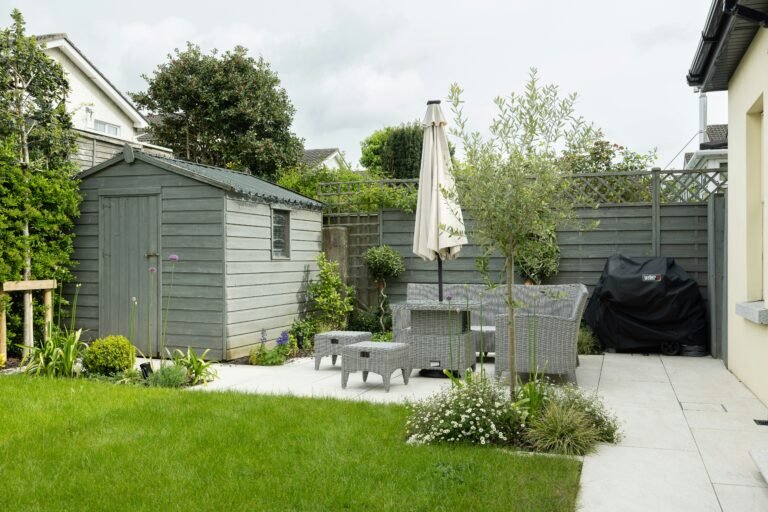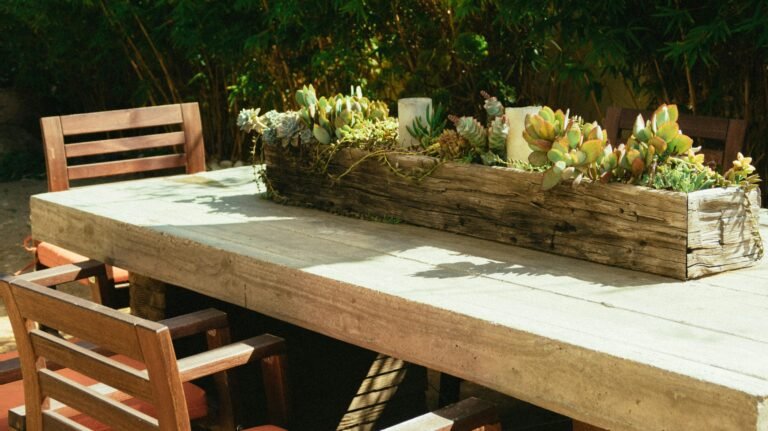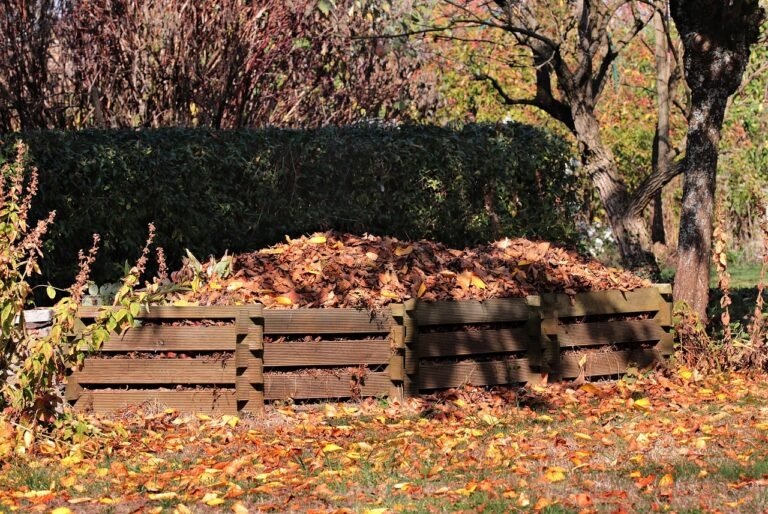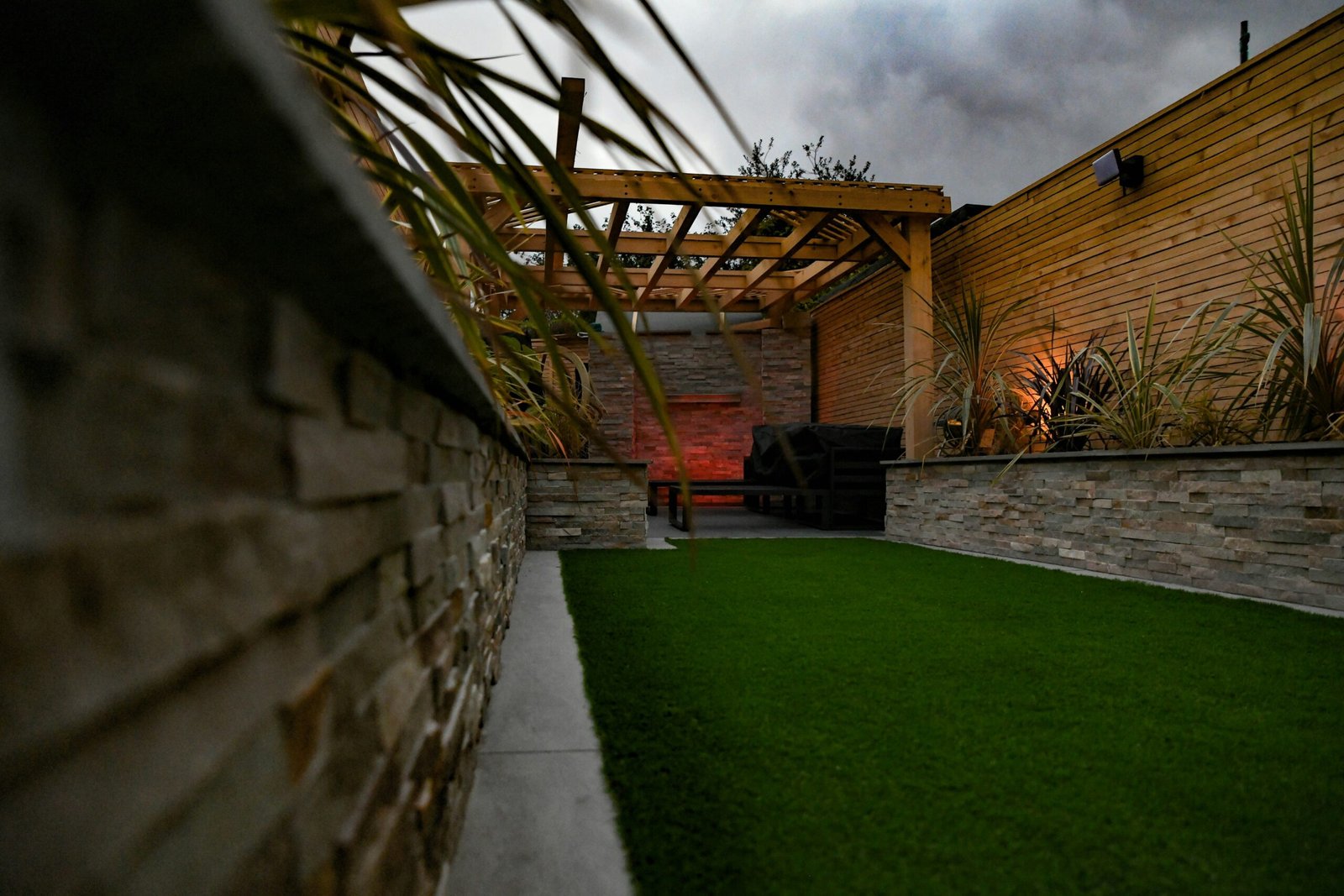
A modern minimalist garden has a unique way of transforming an outdoor area into a calm, refined retreat. I’ve always been drawn to spaces that feel intentional rather than busy, and minimalist outdoor design does exactly that. With clean lines, natural textures, and a less-is-more philosophy, it creates an environment where every element serves a purpose — and where you can truly unwind.
Why minimalism works so well outdoors
Minimalism complements nature by allowing plants, materials, and light to stand out without distraction. Instead of filling every corner, minimalist gardens use open space strategically to create balance and clarity. This approach often feels more luxurious because it highlights quality over quantity — one beautiful bench, a single sculptural tree, or a simple gravel path can carry the entire mood of a space when chosen thoughtfully.
Who this guide is for
Whether you’re styling a compact balcony, refreshing a family backyard, or planning a full redesign of a city patio, this guide is built for you. Minimalist principles adapt beautifully to any scale. Small spaces especially benefit from the clarity and structure of minimalism, while larger gardens can use it to create sophisticated, resort-like zones for lounging, dining, or relaxing.
My approach to modern minimalist gardens
Over the years, I’ve leaned into a design philosophy that prioritizes calm, function, and visual simplicity. When I help others plan their outdoor spaces, I start by identifying what truly matters to them — a place to enjoy coffee, a spot to host friends, or simply a quiet nook to read. This personal lens shapes every decision, from layout to planting, and it’s the same approach I’ve woven throughout this guide.
What Is a Modern Minimalist Garden?
A modern minimalist garden is built on the idea that simplicity creates beauty. Rather than filling a space with decorative items and dense planting, minimalist design focuses on clarity, form, and a sense of calm. I find that these gardens feel instantly restful — almost like an outdoor extension of a thoughtfully designed living room. By stripping away the nonessential, the essential becomes more meaningful: the shape of a pathway, the curve of a tree, the texture of stone.
Key principles: less but better
The foundation of minimalist garden design lies in restraint. This means using a limited number of materials, repeating shapes, and keeping the overall palette cohesive. Clean geometry — squares, rectangles, linear paths — is a hallmark of this style. Instead of mixing many textures or plant types, you let a few elements shine. Dieter Rams’ principle “less, but better” applies beautifully here, guiding designers toward purposeful simplicity.
For a deeper look at minimalist landscape philosophy, Garden Design Magazine offers an excellent overview of modern garden principles.
Minimalist garden vs. traditional lush cottage garden
While cottage gardens celebrate abundance, color variety, and free-growing plant forms, a minimalist garden takes the opposite approach. Think of it as curated nature — refined, structural, and intentional. Both styles have charm, but if you’re drawn to sleek lines, open space, and low-visual-noise environments, minimalism is the right fit. It’s also far easier to maintain, which is one of the reasons I love recommending it for busy homeowners.
Core elements of a modern minimalist garden
A successful minimalist garden typically includes:
- Strong geometry: Rectangular patios, linear planting beds, smooth-edged lawns.
- Negative space: Empty space is not wasted space — it amplifies calm.
- Limited materials: Often concrete, metal, gravel, and soft wood tones.
- A restrained planting palette: Repetition of grasses, evergreens, or sculptural shrubs.
- A single focal point: A tree, water bowl, modern bench, or large planter.
For examples of striking minimalist outdoor spaces, take a look at Dezeen’s curated garden projects.
Planning Your Modern Minimalist Garden Layout
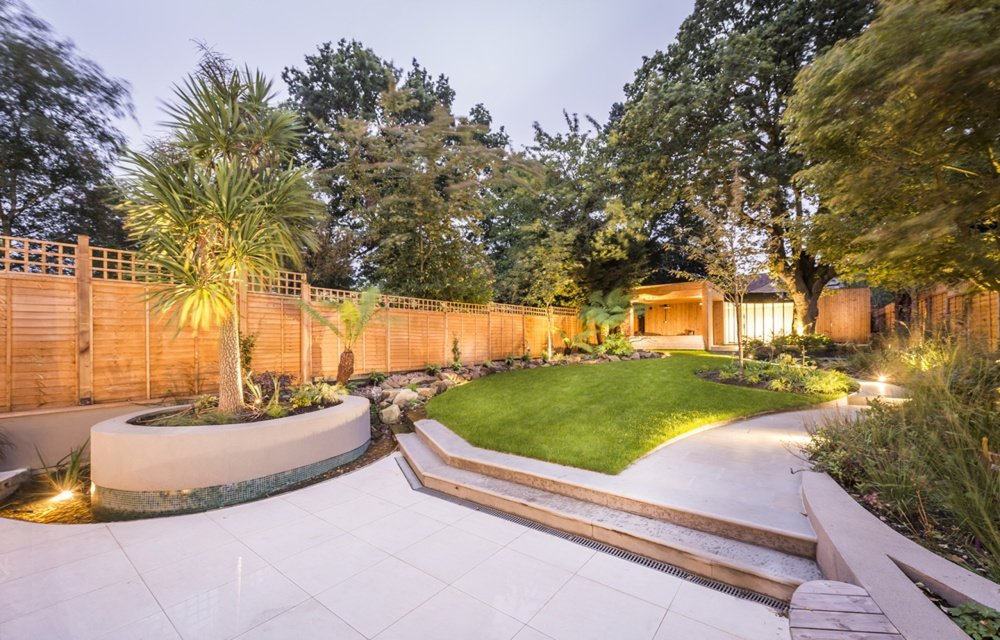
Designing the layout is where a minimalist garden truly takes shape. This is the stage where you determine how the space will feel, flow, and function. I always start by asking a simple question: What do you want this garden to do for you? Once you’re clear on the purpose, the structure practically designs itself.
Start with how you’ll use the space
Before sketching any layout ideas, think about daily life. Do you want a morning coffee corner, a dining zone for friends, a quiet reading spot, or a kid-friendly play area? A minimalist garden isn’t about having less for the sake of it — it’s about having exactly what you need and nothing that distracts from it. Defining the function early helps you avoid cluttered multipurpose spaces later.
Zoning with simple geometry
Minimalist gardens rely on geometry to create a sense of order. Clean, rectangular lines and symmetrical arrangements help the outdoor area feel structured yet relaxed. You can use paving, decking, gravel, or raised beds to create subtle zones — for example, a square dining terrace next to a long, narrow planting strip.
Want to nail proportions, curves, and edging that stay sleek? Dive into How to Design Beautiful and Functional Garden Pathways.
Balancing hardscape and greenery
Minimalist design is all about balance. Too much paving and the garden feels cold; too many plants and you lose the clarity that defines modern style. A good starting point is a 60/40 ratio — 60% hardscape, 40% planting — especially for small minimalist gardens. Repeating plants in simple rows or clusters keeps the landscape clean and cohesive.
If you want inspiration, the RHS (Royal Horticultural Society) has excellent guides on structuring low-maintenance garden borders.
Privacy, sightlines, and micro-climate
Don’t forget the practical elements. Screens, fences, pergolas, and tall plants help control views and create intimacy without cluttering the space. Consider sunlight throughout the day—shade sails or simple pergolas can make a minimalist garden more comfortable without compromising the clean aesthetic.
Plants, Materials & Color Palette for Minimalist Garden Design
Choosing the right plants and materials is where a modern minimalist garden really comes alive. This is the stage where subtle textures, calm colors, and clean plant forms work together to create a serene visual rhythm. When I design minimalist spaces, I always focus on a limited palette — repeating the same materials or plants amplifies harmony and prevents visual noise.
Choosing a calm color palette
A minimalist garden thrives on neutrality. Think soft greys, charcoal, matte black, warm timber, and gentle green foliage. These tones create a timeless backdrop that won’t clash with seasonal changes. I often recommend limiting accent colors to one subtle hue — such as muted terracotta or an olive-green planter — to keep the space cohesive.
For inspiration on modern outdoor color palettes, Architectural Digest often showcases calm, restraint-driven garden designs.
Best plants for a minimalist garden
Minimalist gardens rely on structure rather than floral abundance. Focus on plants with clean shapes, sculptural silhouettes, or soft, flowing movement. Great choices include:
- Evergreens: boxwood, Portuguese laurel, yew
- Grasses: miscanthus, feather reed grass, fountain grass
- Architectural plants: olive trees, bamboo, agave, phormium
- Low-maintenance perennials: lavender, sedum, salvia
To explore more plants that suit simple modern landscapes, the Royal Horticultural Society provides detailed plant profiles.
Low-maintenance garden design choices
Minimalist gardens are wonderfully easy to maintain, but only if you choose the right foundations. Here are some strategies I regularly use:
- Opt for gravel or composite decking instead of high-maintenance lawns.
- Space plants generously to reduce pruning and keep lines clean.
- Use mulch to suppress weeds and create smooth visual continuity.
- Install drip irrigation for effortless watering.
For minimalist planting that’s water-wise and maintenance-light, explore Xeriscaping Ideas: Low-Water Gardening Tips for Drought-Proof Yards.
Textures that still feel simple
Minimalism doesn’t mean flat or boring, texture adds depth without clutter. Smooth concrete, vertical timber slats, powder-coated metal, and matte ceramic planters complement the minimalist look beautifully. The key is limiting the variety: choose two or three core materials and repeat them consistently across the space.
Furniture & Lighting Ideas for a Modern Minimalist Garden
Furniture and lighting are often the elements that elevate a modern minimalist garden from “nice” to truly refined. They shape how the space feels and functions, especially in the evenings. When I help clients choose outdoor pieces, I always guide them toward simple forms, long-lasting materials, and a “one strong statement piece” mindset rather than a collection of competing items.
Modern garden furniture essentials
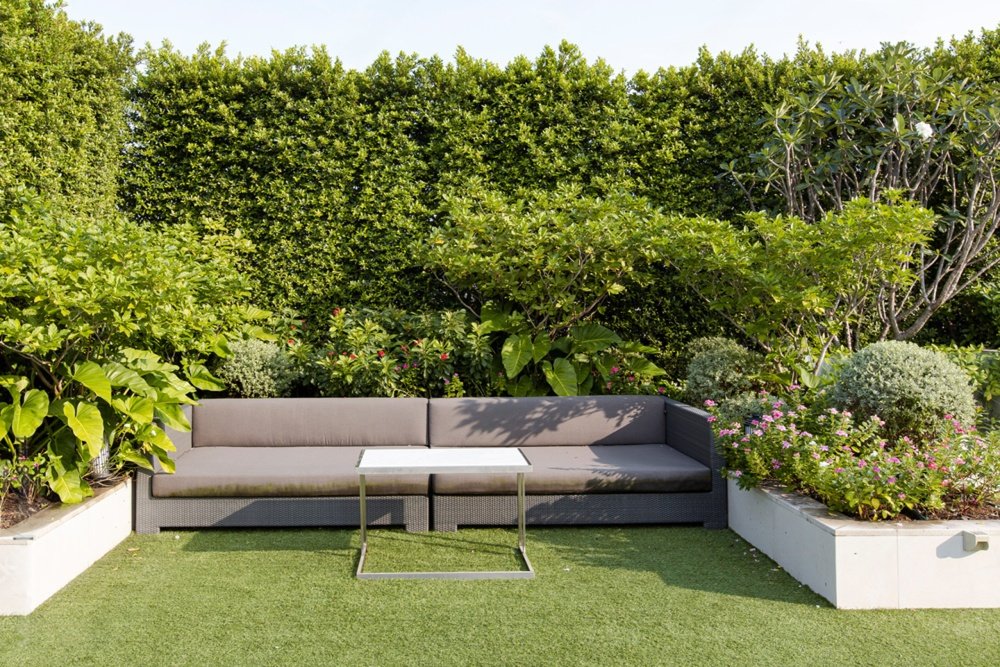
Minimalist outdoor furniture is defined by clean lines, neutral tones, and unfussy silhouettes. Look for slim metal frames, smooth timber, or modular seating with straight edges. A single quality dining set or a low-profile outdoor sofa is often enough to anchor the entire garden.
How to keep furnishings clutter-free
A minimalist garden can quickly lose its elegance if too many furnishings accumulate. Instead, choose items that multitask. Storage benches keep cushions and tools hidden. Foldable or stackable chairs are perfect for occasional entertaining. Built-in seating — such as a simple timber bench along a wall — maintains clean sightlines and reduces clutter.
My personal rule: if a piece doesn’t earn its place with function and aesthetics, it doesn’t stay.
Layered outdoor lighting for evening ambience
Lighting is where minimalist gardens truly transform after sunset. Aim for layered, gentle illumination rather than bright, overhead lights.
Consider combining:
- Low path lights for subtle guidance
- Wall-mounted lights in warm white
- Hidden LED strips under benches or steps
- Solar or battery lanterns for soft, moveable mood lighting
For ideas on creating atmospheric outdoor lighting, Gardenista’s lighting guides are beautifully curated.
For a full breakdown of beam angles, color temperatures, and low-glare setups, see Outdoor Garden Lighting: Best Ideas to Highlight Your Landscape.
Styling details that still feel minimalist
Accessories should be intentional. One oversized planter, a single sculptural ornament, or a shallow water bowl can serve as a focal point without overwhelming the space. Keep patterns minimal and avoid mixing too many textures at once. The goal is clarity and calm — every detail should reinforce that.
Styling Tips for Small Minimalist Gardens (Plus Common Mistakes)
Small outdoor spaces are where minimalist design truly shines. With limited square footage, every choice matters — and a clean, intentional layout can make even the tiniest balcony or courtyard feel serene and spacious. I’ve worked with many compact gardens, and I’ve found that when you embrace minimalism, the space suddenly feels more purposeful, more modern, and surprisingly larger.
Making a small minimalist garden feel bigger
In tight spaces, the goal is to create visual flow. Continuous lines and uncluttered surfaces naturally expand the sense of space.
Try these techniques:
- Extend flooring materials from indoors to outdoors for a seamless look.
- Use long sightlines by arranging furniture parallel to the longest boundary.
- Choose slim planters in matching colors to avoid visual breaks.
- Add vertical elements like slim trellises or green walls to draw the eye upward.
A helpful reference for small-space design ideas is Better Homes & Gardens, which regularly features compact, modern outdoor makeovers.
Smart space-saving ideas
When space is limited, every piece should serve a purpose – sometimes more than one.
Some of my favorite space-saving strategies include:
- Corner seating: Perfect for patios with awkward angles.
- Wall-mounted planters: Keep the floor clear and add greenery without clutter.
- Multi-functional furniture: Benches with storage, small nesting tables, or a fold-out bar shelf.
- Modular pieces: Rearrangeable furniture that adapts to the occasion.
For clever functional outdoor furnishings, look at designs highlighted by Houzz.
Common mistakes to avoid
Minimalism is simple, but it’s surprisingly easy to get wrong. Here are pitfalls I see most often:
- Too many plant species leading to a busy, patchwork feel.
- Bright, mismatched pots that break visual cohesion.
- Bulky furniture that overwhelms the space.
- Over-accessorizing with lanterns, cushions, and décor pieces.
When in doubt, choose the calmer, simpler option — it almost always looks more refined.
Quick checklist for a sleek, cohesive look
- Stick to 2–3 materials and repeat them.
- Keep the color palette neutral.
- Use slim, modern furniture.
- Let one feature be the focal point.
- Prioritize empty space — it’s part of the design.
Conclusion
A modern minimalist garden proves that simplicity can be incredibly powerful. By focusing on clean lines, calm colors, and thoughtful functionality, you create an outdoor space that supports your lifestyle rather than competing with it. I’ve always found that the true beauty of minimalism lies in how it makes you feel: lighter, more relaxed, and more connected to your surroundings. When your garden is free from clutter, your mind follows.
You don’t need a large plot or a big budget to start. Choose one area — perhaps a seating corner or a planting bed — and apply minimalist principles there first. Refine the palette, streamline the layout, and let a few high-quality elements set the tone. Small changes often create surprisingly big transformations.
If you’re inspired to take your outdoor space to the next level, HomelyHaven offers plenty of guides on design, planting, and styling. Feel free to explore further, bookmark this article for later, or share your own minimalist garden ideas with the community. The journey starts with one intentional step — and your perfectly simple outdoor retreat awaits.

Alex is the creator of Homely Haven, a space dedicated to simple, stylish ideas for interiors and gardens alike. With a passion for cozy living rooms, inviting outdoor spaces, and practical DIY solutions, Alex shares tips and guides that help turn any house into a true home.
From budget-friendly decorating hacks to weekend garden projects, the goal is always the same: to inspire you to create spaces that feel personal, beautiful, and welcoming. When not writing, Alex is usually rearranging furniture, sketching new garden layouts, or exploring design trends for the next project.