Designing a beautiful outdoor space doesn’t require a large backyard — in fact, I’ve often found that the most memorable gardens are the smallest ones. Limited space encourages creativity, intentional choices, and clever layouts that allow every plant, path, and piece of furniture to shine. If you’ve been looking for small garden ideas that genuinely transform a space without overwhelming it, you’re in the right place.
Small gardens naturally lend themselves to charm: they’re easier to maintain, more budget-friendly, and incredibly personal. But they can also present challenges — from finding enough planting room to choosing furniture that doesn’t crowd your layout. Over the years, I’ve helped friends, family, and clients rethink their tiny outdoor corners, and the same principles keep proving their worth: vertical use of space, smart zoning, multi-functional elements, and simple plant care routines that work even for beginners.
In this guide, we’ll walk through five practical design ideas that deliver a surprisingly big impact. You’ll discover how to add height and depth with vertical greenery, divide even the smallest backyard into inviting zones, choose furniture that works harder for you, plant for year-round interest with minimal upkeep, and use color and lighting to elevate the atmosphere. I’ll also share examples, tips, and trusted sources along the way so you can move from inspiration to action.
Why Small Gardens Can Have a Big Impact
Small gardens often outperform larger ones when it comes to charm, atmosphere, and practicality. With less space to manage, every detail becomes intentional — a quality I’ve always appreciated when helping others rethink their outdoor areas. A compact garden encourages clarity: instead of juggling competing design elements, you focus on what truly matters. This naturally leads to stronger visual impact, fewer maintenance headaches, and a more personal, curated feel.
One of the biggest advantages of a small garden is cost efficiency. Fewer materials mean more room in your budget for higher-quality plants, furniture, or lighting. You can invest in a beautiful feature tree or a high-quality outdoor chair without needing to buy dozens of items to fill a large yard. Small spaces also make daily care easier. Watering, pruning, and seasonal cleanups take minutes, not hours, freeing time to enjoy the space rather than manage it.
Of course, small gardens come with challenges. Light can be limited, privacy may feel harder to achieve, and placing too many elements can quickly lead to clutter. That’s why paying attention to your small garden layout is essential. Thoughtful placement of plants, paths, and focal points helps the space feel calm and balanced rather than cramped. Many professional designers follow the principle of “edited abundance” — choosing fewer elements, but displaying them beautifully and with purpose.
If you embrace these benefits and work with the space rather than against it, a tiny garden can feel surprisingly expansive and incredibly rewarding.
Small Garden Ideas #1: Vertical Greenery & Layered Planting
Maximizing height is one of the simplest and most transformative small garden design ideas. When you run out of floor space, you still have walls, fences, and railings waiting to come alive. I’ve seen tiny courtyards completely reimagined just by adding layers of vertical greenery and thoughtful plant height variations. These techniques create depth, colour, and softness without taking up precious ground.
Use Walls, Fences and Railings as Green Space
Vertical structures are powerful tools in compact outdoor areas. Trellises, wall-mounted planters, and climbing frames allow you to grow foliage upward, freeing ground space for seating or storage. Species like jasmine, clematis, and ivy thrive on trellises, adding texture and privacy simultaneously. Modular wall planters or pocket systems make it easy to plant herbs, succulents, or compact flowers even on a narrow balcony.
This idea works beautifully in both modern and traditional settings. Many designers highlight vertical planting as a top strategy for maximizing small spaces — publications like Gardeners’ World frequently feature vertical gardening tips (see their vertical gardening advice). By raising the eye line, you instantly make the entire area feel taller and more layered.
For more creative ways to grow upward and save space, check out 5 Brilliant Vertical Gardening Ideas for Small Spaces.
Layer Heights for Depth and Interest
Even in tiny gardens, you can use plant height to build visual depth. Start with taller plants at the back (like bamboo or ornamental grasses), mid-height shrubs or perennials in the middle, and low-growing ground covers at the front. This “stepping” effect gives your small garden layout a structured and generous feel.
A simple example layout:
- Back row: slim bamboo or slimline conifers
- Middle layer: lavender, hydrangeas, or hardy ferns
- Front layer: thyme, creeping Jenny, or dwarf sedums
Layering plants works especially well when combined with vertical elements. It prevents the space from feeling flat and adds a sense of movement and natural flow.
Small Garden Ideas #2: Smart Zoning in a Tiny Space
One of the most effective ways to transform a small outdoor area is to divide it into purposeful “zones.” Even the tiniest courtyard or balcony benefits from subtle structure. When I help someone redesign a compact space, this is often the step that makes them say, “Wow — it suddenly feels bigger.” That’s because zoning creates order, flow, and intention, allowing your eye to move naturally through the space rather than taking in everything at once.

Create “Rooms” Even in a Small Backyard
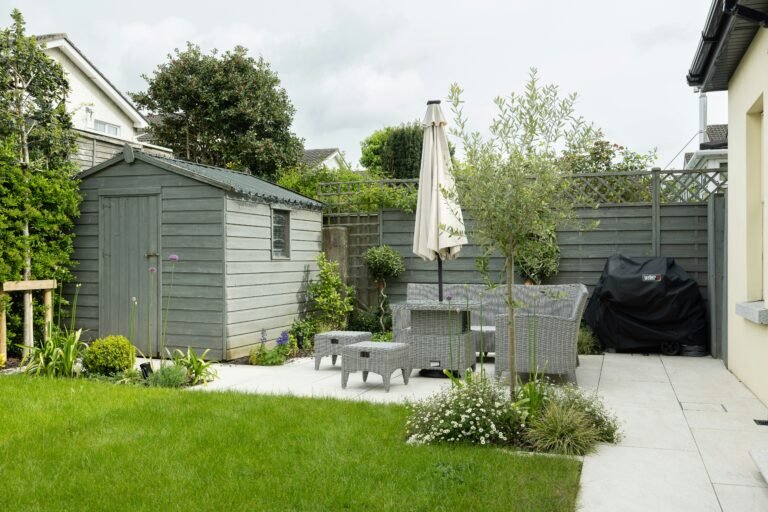
Zoning doesn’t require walls or complicated construction. Simple visual cues—like an outdoor rug, a cluster of pots, or a shift in ground material—can define separate areas. You might create a small seating nook, a narrow planting section, and a decorative focal zone featuring a standout plant or sculpture. The aim isn’t to squeeze in more things but to make each area feel purposeful.
This approach is particularly effective when applying small backyard landscaping ideas. For example, combining pavers with gravel can create an instant separation between a dining corner and a planting strip. Even a balcony can include micro-zones: a tiny café table near the railing, a vertical herb wall beside the entrance, and a soft-textured corner with floor cushions or a pouf.
A helpful resource on zoning techniques can be found through Better Homes & Gardens, which covers small-space layout tricks and material transitions.
Use Paths and Edging to Guide the Eye
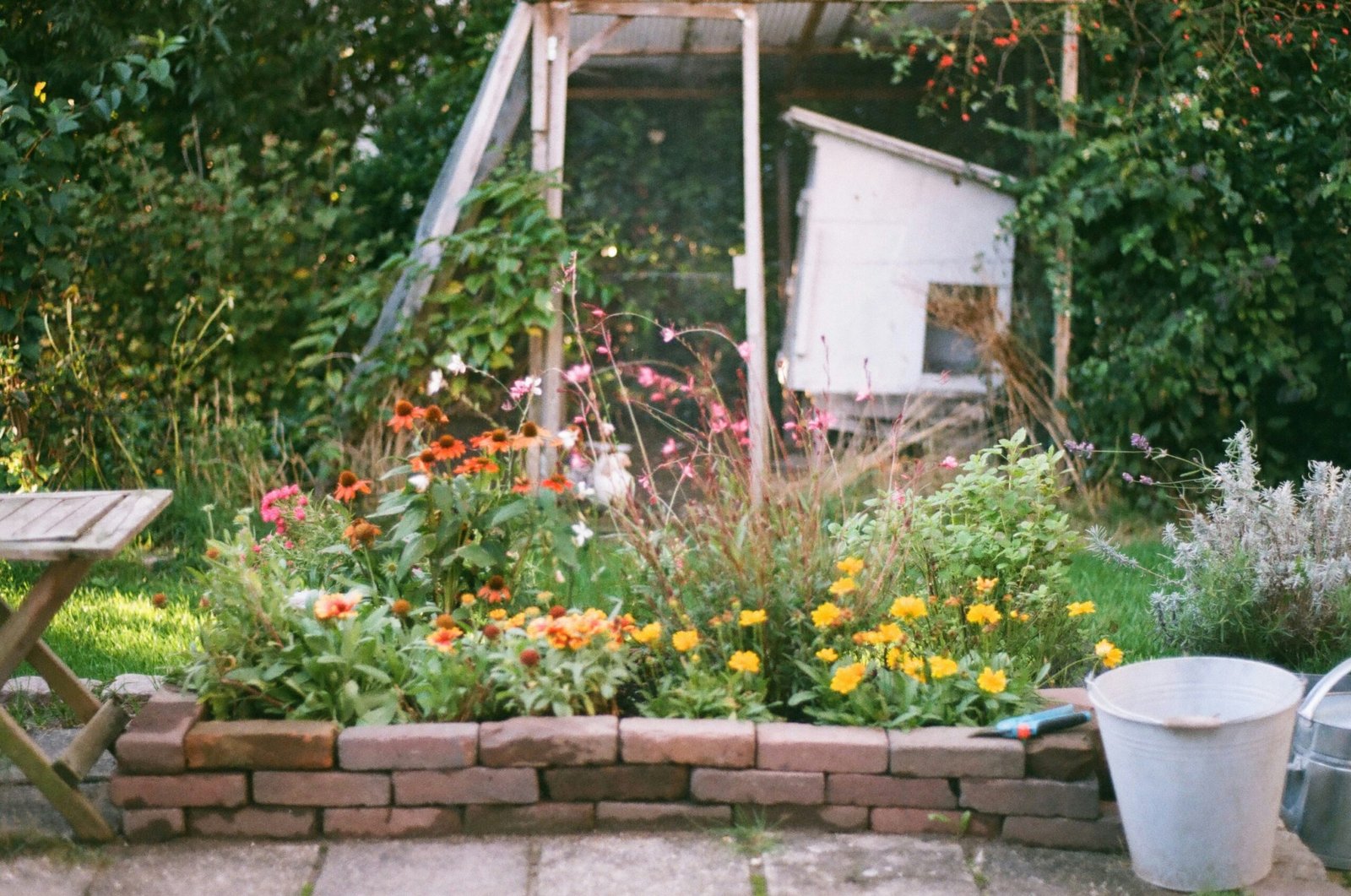
Pathways don’t need to be long to be effective. A short line of stepping stones or a slender gravel strip can visually connect parts of the garden and make it feel more spacious. Edging elements—like brick borders, timber strips, or low hedges—add structure and keep the design tidy.
Even in an area as small as 3m x 3m, a simple L-shaped path can create a sense of exploration. This subtle guidance of the eye helps avoid a cramped feeling and strengthens your small garden layout overall.
Small Garden Ideas #3: Furniture That Fits (and Works Harder)
Choosing the right furniture can completely change the way a small garden feels and functions. In compact spaces, every piece should earn its place — ideally serving more than one purpose. Over the years, I’ve noticed that people often underestimate how much difference the right seating or table can make. When the scale is correct and the design smart, even the smallest outdoor corner becomes comfortable, inviting, and far more spacious than expected.
Choose Scaled-Down, Foldable, or Built-In Pieces
Large, bulky furniture is one of the fastest ways to overwhelm a small garden. Instead, opt for scaled-down or lightweight pieces that allow the space to breathe. Bistro sets, narrow benches, and foldable chairs are brilliant for tiny patios or balconies because they offer function without visual heaviness.
Built-in seating is another clever solution, especially for odd-shaped or very narrow spaces. A slim bench along one wall can double as both seating and storage, while floating shelves or wall-mounted side tables free up floor space. This approach also pairs beautifully with vertical planting, reinforcing clean lines and leaving more room for greenery.
If you love clean lines and clutter-free design, explore Modern Minimalist Garden: Sleek Outdoor Styling Tips for inspiration.
Multi-Functional Elements
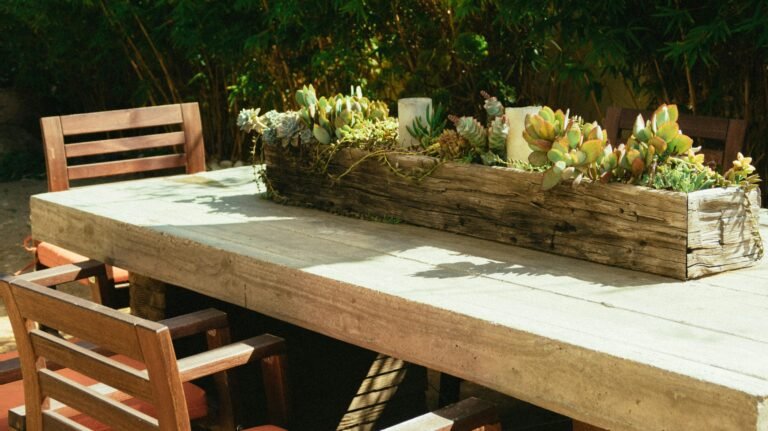
When your garden is small, multi-purpose elements are invaluable. Benches with hidden storage keep cushions, gardening tools, or kids’ toys out of sight. Tall planters can double as subtle dividers to separate zones. A small table with a built-in shelf can store lanterns or extra pots while still offering a surface for drinks or snacks.
This is also the perfect place to incorporate low maintenance small garden ideas. When you choose furniture that helps with organization and minimizes clutter, upkeep becomes much easier. The more streamlined and deliberate your outdoor setup is, the less time you spend cleaning or rearranging — and the more time you get to simply enjoy it.
Small Garden Ideas #4: Planting for Low Maintenance & Year-Round Interest
A small garden should feel enjoyable, not overwhelming — and the easiest way to achieve this is to choose plants and care routines that give you beauty without constant work. I’ve seen many people fall in love with gardening only to become frustrated when high-maintenance plants demand more time than their schedule allows. That’s why focusing on resilient, easy-care species is one of the smartest small garden design ideas you can put into action.
Focus on Easy-Care Plants
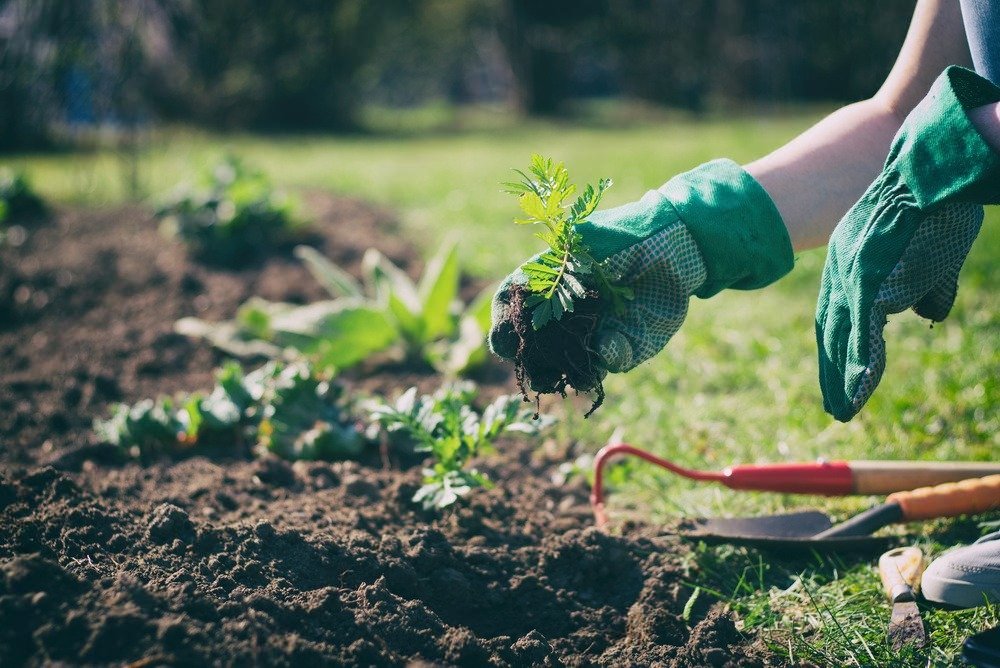
The backbone of a low maintenance small garden is a combination of evergreens (for structure), perennials (for dependable returns each year), and a few seasonal highlights (for changing flair). Think of evergreens as the “furniture” of your planting scheme — they anchor the space visually. Species like boxwood, dwarf conifers, and Japanese holly work well in pots or borders.
Perennials such as lavender, salvia, hardy geraniums, and ornamental grasses offer long-lasting color and movement with very little effort. If your garden is shady, opt for ferns, hostas, or hellebores. To keep things interesting throughout the year, integrate bulbs like snowdrops or tulips in spring and a few annuals for pockets of color in summer.
Simple Care Routines That Actually Work
Maintaining a gorgeous garden doesn’t require complicated routines. A few small habits go a long way:
Quick-Low Maintenance Checklist:
- Add mulch each spring to suppress weeds and retain moisture
- Group plants with similar watering needs
- Choose self-watering or large containers to reduce frequency
- Trim lightly and regularly instead of large seasonal cuts
- Use slow-release fertilizer a few times a year
In small spaces, simplicity wins. By reducing plant stress and minimizing tasks, your garden stays lush and manageable — and you get to spend more time enjoying the peaceful retreat you’ve created.
Small Garden Ideas #5: Light, Color and Focal Points
The finishing touches in a small garden often make the biggest emotional impact. Light, color, and a few well-placed focal points can turn an ordinary outdoor nook into a warm, atmospheric retreat you look forward to every day. I’ve always believed that even the smallest space can feel magical with the right layering of illumination and intentional bursts of color. These elements help guide the eye, create mood, and enhance the sense of depth — all essential in compact garden design.
Use Light to Stretch the Space
Outdoor lighting doesn’t just make your garden usable after sunset — it also amplifies its sense of space. Soft, warm string lights create a canopy effect that makes even tiny patios feel cozy rather than cramped. Solar stake lights can subtly highlight pathways or planting beds, while small lanterns placed on steps or tables add gentle pools of light.
To avoid visual clutter, focus on a few key lighting points instead of filling every corner. A softly lit vertical feature, like a trellis or a tall plant, draws the eye upward and enhances the perception of height — a clever trick in small garden design ideas.
Want to enhance your evening atmosphere? Discover more lighting inspiration in Outdoor Garden Lighting: Best Ideas to Highlight Your Landscape.
Bold Accents and Mirrors
Accent colors bring personality into small spaces. A deep teal planter, mustard cushion, or terracotta pot grouping instantly energizes the garden without overwhelming it. I’ve found that choosing one or two signature colors helps maintain harmony while still adding vibrancy.
Garden mirrors are another powerful tool. Positioned thoughtfully, they reflect light and greenery, creating the illusion of more space. Use mirrors with weatherproof frames and place them where they won’t trap harsh glare — ideally opposite plants or softer lighting features. These reflections make a compact layout feel more layered and visually dynamic.
By combining thoughtful lighting, confident color choices, and standout focal points, you create an atmosphere that feels uplifting and expansive — no matter the size.
Putting Your Small Garden Layout Together
Now that you’ve explored the five core concepts, it’s time to see how they work as a cohesive whole. A successful small garden layout isn’t about cramming in every idea — it’s about blending the right elements in a way that feels natural, calm, and enjoyable. When I help someone redesign a compact space, I always start by imagining how the garden should feel: restful, social, energizing, or lush. That feeling becomes the guiding thread that ties the layout together.
One practical way to visualize your design is to sketch a simple top-down plan. Let’s imagine a small 3 x 4 meter garden as an example. You might place a slim built-in bench along the back wall to anchor the seating area. Above it, a vertical trellis with climbing jasmine adds height and fragrance. In the opposite corner, a cluster of mid-height perennials — such as lavender or hydrangeas — softens the view and introduces seasonal interest. A narrow gravel path could run diagonally or in an L-shape to connect the seating area to the planting bed, subtly guiding movement through the space.
Decorative lighting overhead — string lights or a wall-mounted sconce — creates warmth during the evening. Add a single bold focal point, like a large terracotta pot or a reflective garden mirror, to visually expand the area. Remember to include practical touches such as storage under seating or a tall planter that doubles as a divider if you need separate “zones.”
The key is balance. Apply vertical greenery for height, zoning for structure, smart furniture for comfort, low-maintenance planting for ease, and lighting plus color for atmosphere. When these ideas work together, even the smallest garden feels complete, functional, and full of personality — something I’ve witnessed time and again in real-life transformations.
Conclusion
Small gardens have a unique charm — they invite creativity, reward thoughtful design, and offer a surprisingly powerful sense of retreat. As I’ve seen time and again, you don’t need a large space to create something beautiful. What you truly need is intention: choosing the right plants, the right furniture, and a layout that reflects how you want to live outdoors. By layering vertical greenery, carving out purposeful zones, embracing multi-functional pieces, selecting easy-care plants, and adding touches of light and color, you can transform even the tiniest area into a place that feels expansive and inspiring.
What I love most about small gardens is how personal they become. Every choice has meaning, every detail contributes to the whole, and the result often feels more intimate and satisfying than sprawling landscapes. If you take just one idea from this guide and apply it — whether it’s adding a trellis, rearranging your seating, or introducing a bold focal point — you’ll already be moving toward a space that feels more intentional and more “you.”
Ready to take the next step? Start with the area that excites you the most and build outward from there. And if you want even more inspiration, HomelyHaven has plenty of guides on balcony styling, container planting, and low-maintenance outdoor design waiting for you. Enjoy the process — your perfect small garden is well within reach.

Alex is the creator of Homely Haven, a space dedicated to simple, stylish ideas for interiors and gardens alike. With a passion for cozy living rooms, inviting outdoor spaces, and practical DIY solutions, Alex shares tips and guides that help turn any house into a true home.
From budget-friendly decorating hacks to weekend garden projects, the goal is always the same: to inspire you to create spaces that feel personal, beautiful, and welcoming. When not writing, Alex is usually rearranging furniture, sketching new garden layouts, or exploring design trends for the next project.